Stim-Free Pre-Workout: Who Should Actually Use One?

Ask around any gym in 2026 and you will find more people cutting stimulants than chasing them. Stim-free pre-workout has gone from a niche corner of the shelf to one of the fastest-moving categories in sports nutrition, driven largely by people who train in the evening and have worked out that a 300mg caffeine hit at seven o'clock is costing them their sleep. It is worth understanding what these products actually are, who benefits from one, and where the honest limits of the evidence sit.
What stim-free pre-workout actually means
A stimulant-free formula is simply a pre-workout with the caffeine and related stimulants taken out. What is left is usually built around ingredients aimed at blood flow, muscular endurance and focus rather than central nervous system arousal.
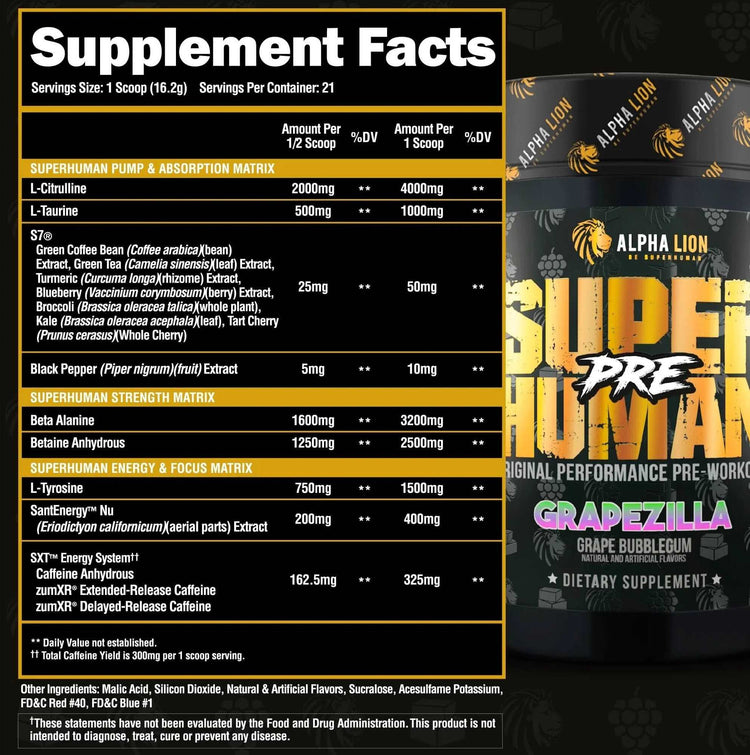
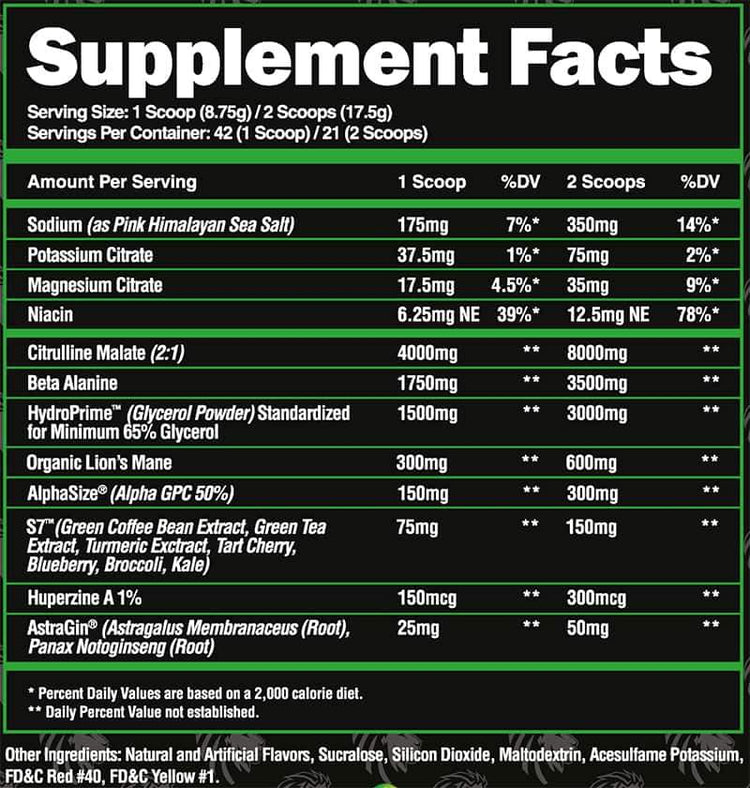
The ingredients you will see most often are L-citrulline or citrulline malate, beta-alanine, betaine, L-arginine and sometimes taurine or tyrosine. None of these carry an authorised health claim in the UK, so nobody can lawfully promise you what they will do. What can be said is that each has been studied in an exercise context, and research has explored their roles in blood flow, buffering capacity during high-intensity work, and perceived effort. The evidence base varies considerably in quality from one ingredient to the next.
That is a less exciting sentence than the marketing on most tubs, but it is the accurate one.
Does stim-free pre-workout actually work?
It depends entirely on what you expect it to do. If you are expecting the sharp, wired lift that caffeine gives you, no — nothing in a caffeine-free formula reproduces that, and any product suggesting otherwise is overselling.
What people typically report looking for instead is the physical side: the fuller, harder feeling in the working muscle that citrulline-based formulas are marketed around, and the ability to push through later sets. Studies have examined citrulline supplementation and exercise performance with mixed but generally encouraging results, though effect sizes tend to be modest and trial designs vary. Beta-alanine has a reasonably consistent body of research behind it for sustained high-intensity efforts in the one-to-four-minute range, though it needs consistent daily use over weeks rather than a single dose before training.
The tingling sensation people associate with beta-alanine, incidentally, is paraesthesia. It is harmless and it is not a measure of whether the product is working.
Who a caffeine-free pre-workout genuinely suits
Four groups tend to benefit most.
Evening trainers. Caffeine has a half-life of roughly five to six hours, meaning half of a 6pm dose is still circulating around midnight. If you train after work and struggle to switch off afterwards, this is the single most likely culprit, and removing it costs you very little.
People with a high caffeine tolerance. If you have worked your way up to two scoops and still feel nothing, the answer is not a third scoop. Running a stim-free formula for a few weeks lets your tolerance reset, after which a normal dose does what it used to.
Anyone who reacts badly to stimulants. Jitters, a racing heart, nausea or anxiety after a strong pre-workout are common enough. If that is your experience, there is no reason to keep pushing through it.
People already getting caffeine elsewhere. If you have had three coffees before you reach the gym, adding another 300mg on top serves no purpose.
Can you take pre-workout at night?
A stimulant-free one, yes — that is precisely the use case it exists for. A caffeinated one is a different question, and the honest answer is that it depends how close to bed you train and how sensitive you are.
The practical rule most people land on is to keep caffeine at least six hours clear of bedtime. If your session finishes at half nine, that maths does not work, and switching to a stim-free formula is the straightforward fix. If sleep is the wider problem rather than just the timing of your training, our sleep support range is a separate conversation worth having.
How to choose one
Three things separate a serious formula from a tub of flavoured filler.
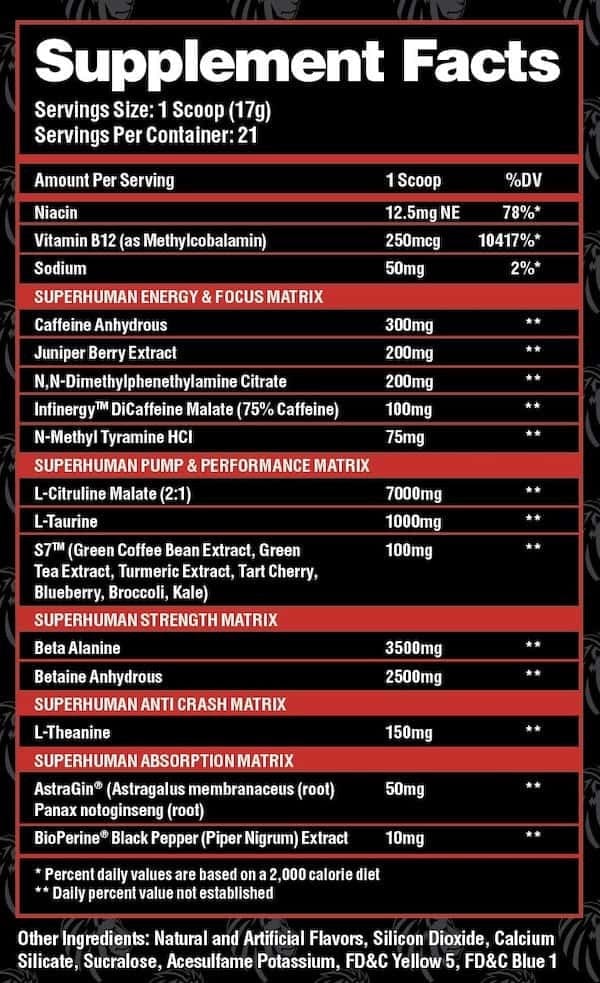
Dosing you can read. Check the label lists actual amounts per serving rather than hiding everything inside a proprietary blend. Citrulline in particular is used in research at doses considerably higher than many products provide, and a blend that conceals the split tells you nothing.
Servings, not scoop size. Some products need two scoops to reach the dose printed in the research. Work out the cost per full serving rather than per tub.
Batch testing if you compete. If you are subject to drug testing in your sport, look for certification under a scheme such as Informed Sport, which screens finished batches against banned substance lists.
Powder or capsule is a matter of preference. Unflavoured single ingredients such as citrulline malate are the cheapest route if you are happy to mix your own and do not mind the taste, which is sharp.
Where it fits alongside a stimulant formula
Most people do not need to pick a side permanently. A common approach is to keep a stimulant pre-workout for early or heavy sessions where you genuinely want the arousal, and a stim-free option for evening work, deload weeks or the days you have already had plenty of coffee. Rotating between the two also keeps your caffeine tolerance in check, which means the stimulant version keeps working when you actually want it.
You can compare our full stimulant-free pre-workout range against the stimulant formulas to see what suits your training pattern, or call into the shop in Hounslow and we will talk you through the labels properly.
Food supplements should not be used as a substitute for a varied, balanced diet and a healthy lifestyle.
Previous article