Electrolytes for Workouts: When Water Isn't Enough

If you train in a warm gym, finish a session with salt drying on your forehead, or you're clocking long summer miles, you've probably wondered whether electrolytes for workouts are actually worth it — or whether plain water does the job just as well. The honest answer is that it depends on how long you train, how heavily you sweat and what you eat around your sessions.
Hydration has become one of the fastest-moving parts of the sports nutrition market, with powders and tablets now sitting alongside protein and creatine in most gym bags. That popularity is worth a bit of scrutiny. Here's a practical, no-hype look at what these products do, who genuinely benefits, and how to use them sensibly.
What electrolytes actually do
Electrolytes are minerals that carry an electrical charge in body fluids — chiefly sodium, potassium, chloride, magnesium and calcium. They govern how fluid is distributed between your blood and your cells, and they play a role in nerve signalling and muscle contraction.
Two of these have authorised health claims in the UK that are directly relevant to training. Magnesium contributes to normal muscle function, to electrolyte balance, and to a reduction of tiredness and fatigue. Potassium contributes to normal muscle function too. Sodium, meanwhile, is the mineral you lose in the greatest quantity when you sweat — and the one most likely to be under-replaced.
Do you really need electrolytes for workouts?
For a 45-minute session in a comfortable gym, water plus a normal diet is almost always enough. British diets are not typically short of sodium, and your kidneys are good at holding on to what you need.
Replacement starts to matter when the maths changes:
- Sessions running beyond roughly 60–90 minutes, where sweat losses accumulate.
- Hot, humid or poorly ventilated conditions, including indoor cycling and hot yoga.
- Heavy sweaters — sweat sodium concentration varies enormously between individuals, commonly cited at around a gram of sodium per litre of sweat but ranging widely.
- Back-to-back training days with limited time to eat and rehydrate in between.
- Endurance events, where fluid and sodium losses can run for hours.
Sports nutrition research has explored whether electrolyte-containing drinks outperform plain water during exercise. Findings generally point to an advantage for people experiencing substantial fluid and sodium losses, rather than for everyone. If your session is short and your sweat rate is modest, a bottle of water and a decent meal afterwards will do.
One formal claim worth knowing: carbohydrate-electrolyte solutions contribute to the maintenance of endurance performance during prolonged endurance exercise, and enhance the absorption of water during physical exercise. That claim applies specifically to drinks meeting a defined composition — a certain carbohydrate content and sodium level — not to every flavoured powder on the shelf. Zero-calorie electrolyte drinks are a different product with a different purpose.
Should you take electrolytes before or after a workout?
Both approaches have a rationale, and they aren't mutually exclusive.
Before: drinking a sodium-containing beverage in the 60–90 minutes ahead of a long or hot session helps you retain the fluid you drink rather than passing much of it straight through. This is the more useful option if you're heading into a long endurance session, an event, or training after several hours without food or drink.
After: rehydrating promptly after training replaces what you've lost and gets you ready for the next session. Sodium alongside fluid supports better fluid retention than water alone, which is why oral rehydration-style formulations exist at all.
For most gym-goers, the simple version is: water during a normal session, and an electrolyte drink when the session is long, hot, or one of two in a day.
Do electrolytes help with muscle cramps?
This is one of the most-searched questions in hydration, and it deserves a careful answer. Exercise-associated muscle cramp is not fully understood. The long-standing "dehydration and electrolyte depletion" explanation has been challenged by research pointing towards neuromuscular fatigue as a major factor, and studies have produced mixed results.
What can be said accurately: magnesium, potassium and calcium each contribute to normal muscle function, and maintaining sensible fluid and mineral intake is a reasonable part of a training routine. What cannot be said is that any supplement treats or prevents cramp. If cramping is frequent, persistent or painful, that's a conversation for a GP or a sports physiotherapist, not a tub of powder.
How to choose an electrolyte powder
Labels vary far more than the marketing suggests. A few things to check:
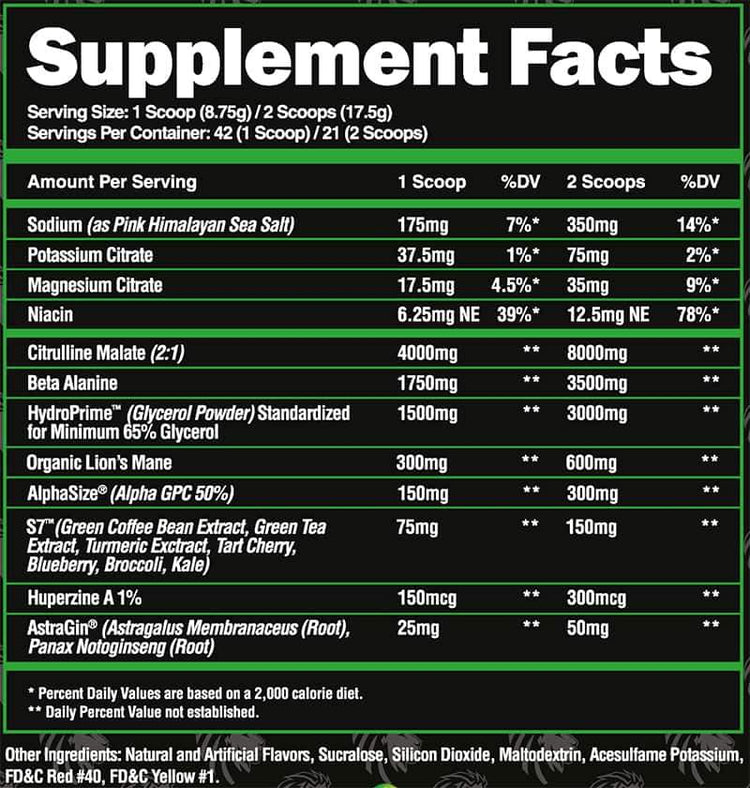
- Sodium per serving. This is the headline number. Products range from token amounts to several hundred milligrams. General guidance for hot or high-sweat exercise sits in the region of 300–600 mg of sodium per hour, so a product supplying a fraction of that won't move the needle on a long session.
- Carbohydrate content. Zero-sugar suits shorter sessions or anyone managing calorie intake; a carbohydrate-containing formula makes more sense for prolonged endurance work.
- The other minerals. Potassium and magnesium are common inclusions. Check they're present in meaningful amounts rather than fairy dust.
- Format. Tablets are convenient and portable; powders offer more flexibility on strength and flavour.
- Testing. If you compete under anti-doping rules, look for batch-tested products carrying a recognised certification scheme.
You can compare formats and mineral profiles across our hydration and electrolytes range, and if you'd rather cover magnesium and other minerals through a daily routine instead, our daily vitamins and minerals collection covers that ground.
Fitting hydration into the bigger picture
Hydration is a supporting act, not the main event. Training consistency, total energy intake and adequate protein do the heavy lifting — protein contributes to the growth and maintenance of muscle mass, which is why a post-session shake from our whey protein range remains a staple for most lifters. Electrolytes simply make sure that a long, sweaty session doesn't quietly undermine the work you've put in.
A sensible approach: drink to thirst during normal sessions, weigh yourself before and after an unusually long or hot workout to get a rough sense of your sweat rate, and reach for an electrolyte drink when the conditions warrant it rather than by default.
The practical takeaway
Electrolytes for workouts are genuinely useful for long, hot or repeated sessions and for people who sweat heavily — and largely unnecessary for a standard hour in an air-conditioned gym. Work out which category you fall into, read the sodium content on the label, and buy accordingly.
Browse the full hydration and electrolytes collection online, or come and talk it through with the team at our Hounslow shop.
Food supplements should not be used as a substitute for a varied, balanced diet and a healthy lifestyle.
Previous article

Next article