Electrolytes Every Day: Do You Actually Need Them?

Electrolyte sachets have moved out of the kit bag and onto the office desk. Supermarket shelves now carry sugar-free hydration powders next to the squash, and social media is full of people stirring a sachet into their morning water. So is it worth taking electrolytes every day, or is plain water still enough for most of us? The short answer: it depends on how much you sweat, what you eat and what you are training for. This guide sets out who benefits, who probably does not, and how to avoid overdoing it.
What electrolytes are and why your body needs them
Electrolytes are minerals that carry an electrical charge once dissolved in body fluids. The main ones are sodium, potassium, chloride, magnesium and calcium. Your body uses them to manage fluid balance, nerve signalling and muscle contraction, and your kidneys keep their levels within a tight range.
Some of these roles are recognised in authorised GB nutrition claims. Magnesium contributes to electrolyte balance. Potassium contributes to normal muscle function and to the normal functioning of the nervous system. These claims describe what the nutrients do in the body; they are not promises that topping up with more will make you perform better.
Most of these minerals arrive through ordinary food. Sodium comes mainly from salt in bread, cheese, cured meat and ready meals. Potassium is found in potatoes, bananas, beans, dairy and leafy greens. Magnesium comes from nuts, seeds, wholegrains and green vegetables.
Do you need electrolytes every day?
For most people with a reasonably varied diet and a moderate activity level, probably not. Health writers at ZOE and dietitians at the Cleveland Clinic make the same point: a balanced diet covers basic electrolyte needs, and drinks are most useful after heavy sweating, in hot conditions or during an illness that causes dehydration. Market analysts quoted by FoodNavigator in 2026 go further, describing much of the everyday "functional hydration" boom as a marketing position and noting that water, tea and coffee keep most people adequately hydrated.
The UK diet also tends to supply plenty of sodium already. The NHS advises adults to eat no more than 6 g of salt a day, about 2.4 g of sodium, and many people exceed that before any supplement is added. A daily sachet on a rest day, at a desk, adds to an intake that is often already high.
The picture changes if you train hard most days. If you finish sessions soaked, see white salt marks on your kit, or train twice a day, a daily electrolyte drink around training can make practical sense. The deciding factor is sweat, not the calendar.
Electrolyte drinks vs water: when each makes sense
Plain water is the right default for everyday drinking and for most gym sessions under an hour. Consider an electrolyte drink in these situations:
- Long or intense sessions, roughly an hour or more of continuous effort, especially endurance work such as running, cycling or rowing.
- Heavy sweating, whether from a hot gym, a heated studio class or warm-weather training.
- Back-to-back sessions where you need to rehydrate before the next one.
- Recovery from vomiting or diarrhoea, where oral rehydration solutions from a pharmacy are designed for the job. If symptoms are severe or prolonged, speak to a pharmacist or GP.
For exercise specifically, there is an authorised claim for carbohydrate-electrolyte solutions: they enhance the absorption of water during physical exercise and contribute to the maintenance of endurance performance during prolonged endurance exercise. That claim only applies to drinks that meet set levels of carbohydrate, sodium and osmolality, so a zero-sugar sachet does not automatically qualify. Check the label if that matters for your training.
Do you need electrolytes in winter?
Cold weather does not stop you sweating. Indoor gyms are heated, layered clothing traps heat on outdoor runs, and many people drink less because they feel less thirsty when it is cold. The same rule applies all year: if a session leaves you heavily sweated, replace fluid and consider some sodium with it. If it does not, water is fine.
Can you have too many electrolytes?
Yes. Taking electrolytes every day without a reason to can push sodium intake higher than it needs to be. The Cleveland Clinic lists symptoms of excess electrolytes including headaches, fatigue, muscle weakness or cramps, nausea, confusion and an irregular heart rate. Too much potassium can cause muscle weakness. People with high blood pressure, kidney problems, or those on a salt-restricted diet or medication that affects fluid or mineral balance should talk to their GP or pharmacist before using electrolyte products regularly.
Sugar is the other thing to watch. Some ready-to-drink sports drinks carry a meaningful amount of sugar, which is useful fuel in a long session but unnecessary at a desk.
How to choose an electrolyte supplement
If you do decide a hydration product fits your training, a few checks help:
- Sodium per serving. Sodium is the electrolyte lost in the largest amounts in sweat. Heavy sweaters may want more; light trainers less.
- Sugar or sugar-free. Carbohydrate helps during long endurance work. For short sessions or general use, a sugar-free formula keeps calories down.
- Format. Powders let you adjust strength by changing how much water you add. Tablets are convenient for a bag or pocket.
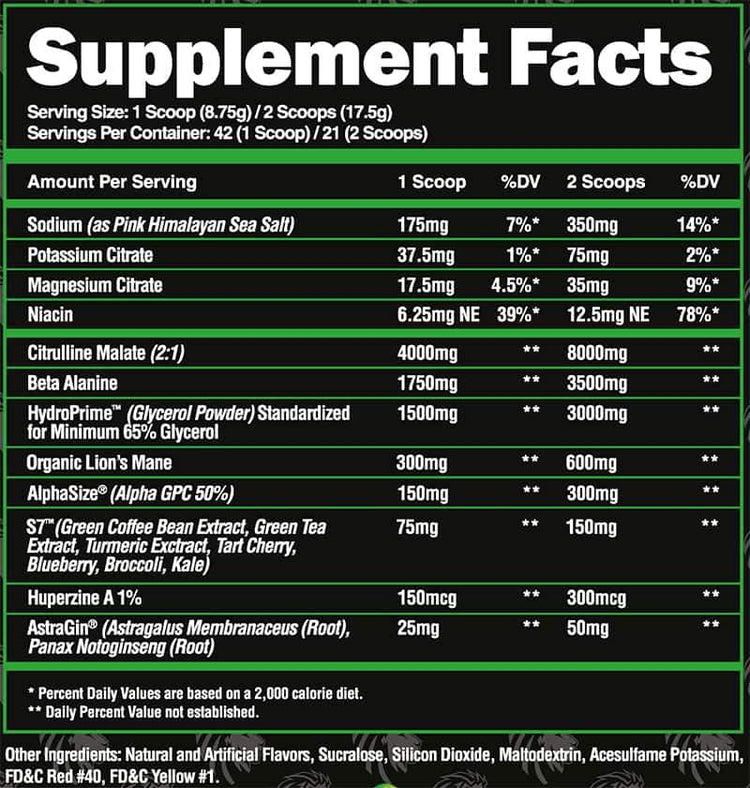
- Combined formulas. Some products pair electrolytes with amino acids or creatine. Check that each ingredient is at a level you actually want, rather than paying for small amounts of several things.
- Testing. Competitive athletes subject to anti-doping rules may prefer products certified under a scheme such as Informed Sport.
The bottom line
Electrolytes do real work in the body, but most people get enough from food, and plain water handles most hydration. Save electrolyte drinks for the days that call for them: long sessions, heavy sweating and back-to-back training. If you are in that group, browse our hydration and electrolytes collection, look at combined options in our amino acids range, or see magnesium and other minerals in vitamins and minerals. You are also welcome to ask our team in the Vitamin Shop in Hounslow.
Food supplements should not be used as a substitute for a varied, balanced diet and a healthy lifestyle.
Next article